Spratly Conflict: Workers of the Philippines and China, Unite!
Submitted by Internasyonalismo on
| english | français | deutsch | italiano | svenska | español | türkçe | nederlands | português | Ελληνικά |
| русский |  |
 |
 |
 |
filipino |  |
 |
magyar | suomi |
Submitted by Internasyonalismo on
Submitted by ICConline on
Submitted by ICConline on
Submitted by ICConline on
Submitted by International Review on
Submitted by International Review on
Submitted by International Review on
Submitted by ICConline on
Submitted by ICConline on
Submitted by World Revolution on
Submitted by World Revolution on
Submitted by ICConline on
Submitted by International Review on
Submitted by World Revolution on
Submitted by Communist Inter... on
Submitted by ICConline on
Submitted by ICConline on
Submitted by ICConline on
Submitted by World Revolution on
Submitted by World Revolution on
Submitted by ICConline on
Submitted by World Revolution on
Submitted by International Review on
Submitted by World Revolution on
Submitted by World Revolution on
Submitted by World Revolution on
Submitted by International Review on
Submitted by International Review on
Submitted by International Review on
Submitted by ICConline on

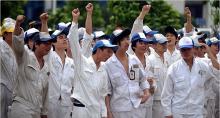
 "Workers of the world, unite!" This is the truth and reality under a capitalist system. We, the workers have no national interest, or nationality to side with and defend as an internationalist class. Where ever and part of the world we may be, we are exploited and oppressed by the capital and the local state.