The birth of totalitarian democracy
Submitted by International Review on
| english | français | deutsch | italiano | svenska | español | türkçe | nederlands | português | Ελληνικά |
| русский |  |
 |
 |
 |
filipino |  |
 |
magyar | suomi |
Submitted by International Review on
Submitted by International Review on
Submitted by International Review on
Submitted by International Review on
Submitted by ICConline on
Submitted by ICConline on
Submitted by ICConline on
Submitted by International Review on
Submitted by ICConline on
Submitted by ICConline on
Submitted by World Revolution on
Submitted by International Review on
Submitted by International Review on
Submitted by International Review on
Submitted by ICConline on
Submitted by International Review on
Submitted by ICConline on
Submitted by World Revolution on
Submitted by International Review on
Submitted by World Revolution on
Submitted by World Revolution on

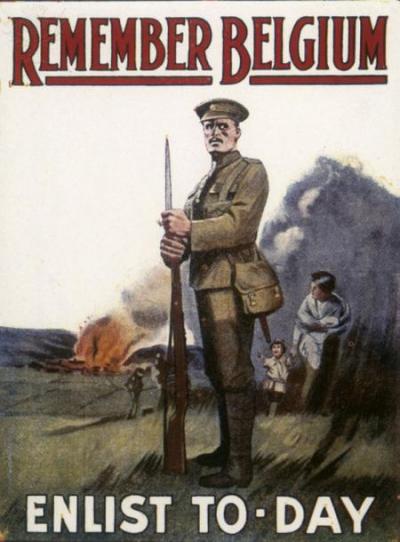 "The conscious and intelligent manipulation of the organised habits and opinions of the masses is an important element in democratic society. Those who manipulate this unseen mechanism of society constitute an invisible government which is the true ruling power of our country"
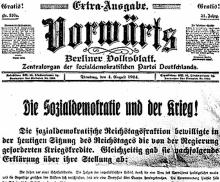

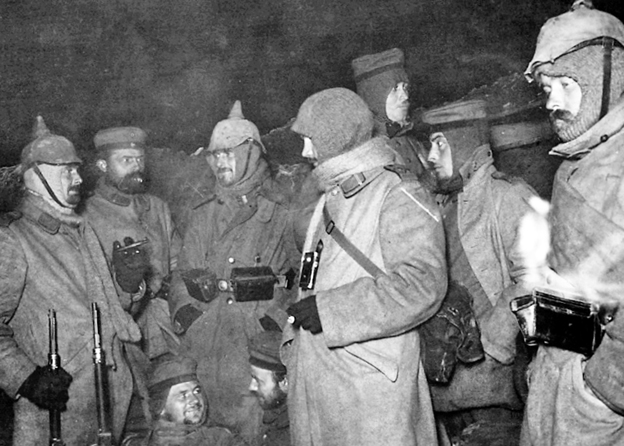 The press is turning the 1914 Christmas Truce into a harmless display of "humanity in the midst of barbarity", to the point where Sainsbury's can turn it into an advert for chocolate. But behind the Christmas Truce lay a real revolutionary potential...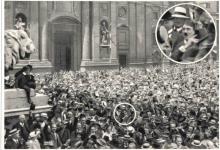
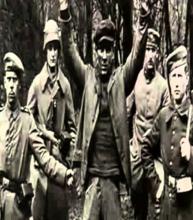
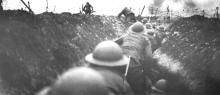
 100 years ago, humanity stood on the brink of the abyss, about to plunge into the most terrible bloodletting ever seen in history. For generations after the Great War, 1914-18 was synonymous with senseless murder, a ghastly waste of life in the horror of the trenches, for which the suffering populations rendered the governments and the ruling classes largely responsible. To commemorate the war, one hundred years on, is thus something of an embarassment for those same ruling classes, and so 2014 became a year, not of commemoration but of forgetting.
 In the 200,000 years of its existence, the human species has made astonishing strides in its productive capacity, its technique, its mastery of the laws of nature, and its culture. In the 10,000 years between the Neolithic Revolution and the present day, the pace of its progress has quickened. Yet humanity's progress has never been a smooth and peacful process; on the contrary, each step forward has been achieved through the clash of opposing classes, opposing class interests. Opening up a new perspective has never been possible without the revolutionary overthrow of the old order and the old classes which block the path the the future.